
Florentine cooking is the cooking of making do: stale bread, beans, vegetables from the garden and the cuts of meat the rich didn’t want. Out of that came humble dishes that are now the city’s pride and joy.
These are the ones I recommend to my groups, with the stories behind them. Many already appear in La scienza in cucina e l’arte di mangiar bene (1891), the great Italian cookbook Pellegrino Artusi wrote while living in Florence. And almost all of them taste better in a trattoria than in a smart restaurant.
At a glance
🥙 Lampredotto: From street stalls, with green or spicy sauce.
🥩 Bistecca: Ordered by weight and eaten rare.
🍲 Bread dishes: Ribollita, pappa al pomodoro, panzanella.
🍝 Fresh pasta: Pappardelle, gnudi, potato tortelli.
🍰 Sweets: Cantucci with Vin Santo, zuccotto, schiacciata.
Lampredotto, Florence’s street food
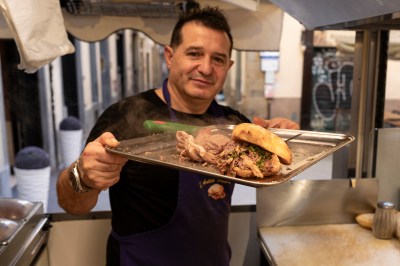
Lampredotto is the abomasum, the cow’s fourth stomach, slow-cooked in a broth with tomato, onion, celery and parsley and served in a bread roll. It has two parts: the gala, leaner and more wrinkled, and the spannocchia, fattier and more tender. The name comes from the lamprey (lampreda), an Arno fish prized at noble tables in the Middle Ages and the Renaissance: the stomach was thought to look like its mouth, in shape and colour.
It began as poor people’s food in the Middle Ages and caught on in the 15th century. Today it’s sold at the stalls of the trippai, tripe sellers whom Florentines defend as an institution: doctors and builders, lawyers and students all eat there. If offal isn’t your thing, ask for a bollito sandwich, with boiled beef.
My favourite is L’Antico Trippaio, the stall in Piazza de’ Cimatori, a stone’s throw from Piazza della Signoria. There are historic stalls at the Mercato Nuovo and on Via dell’Ariento, by the Mercato Centrale, too.
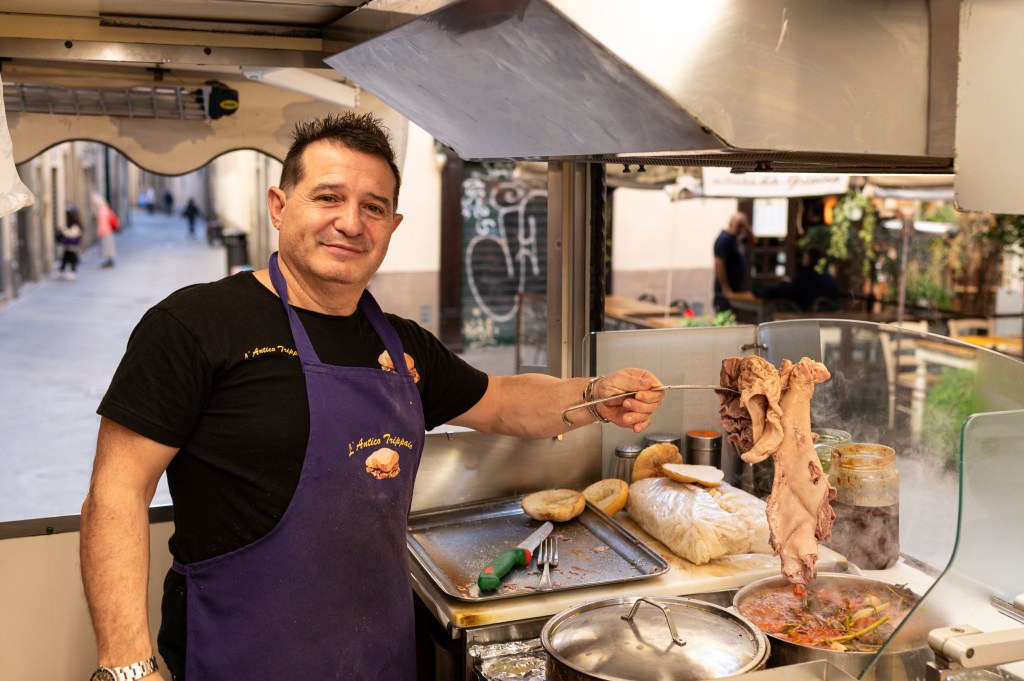
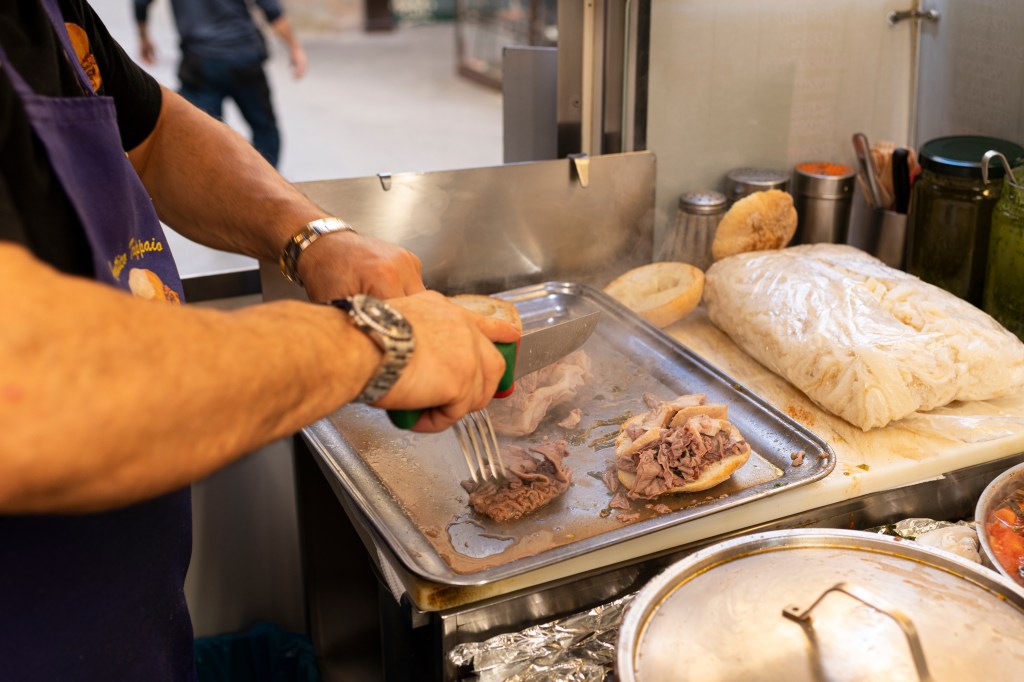
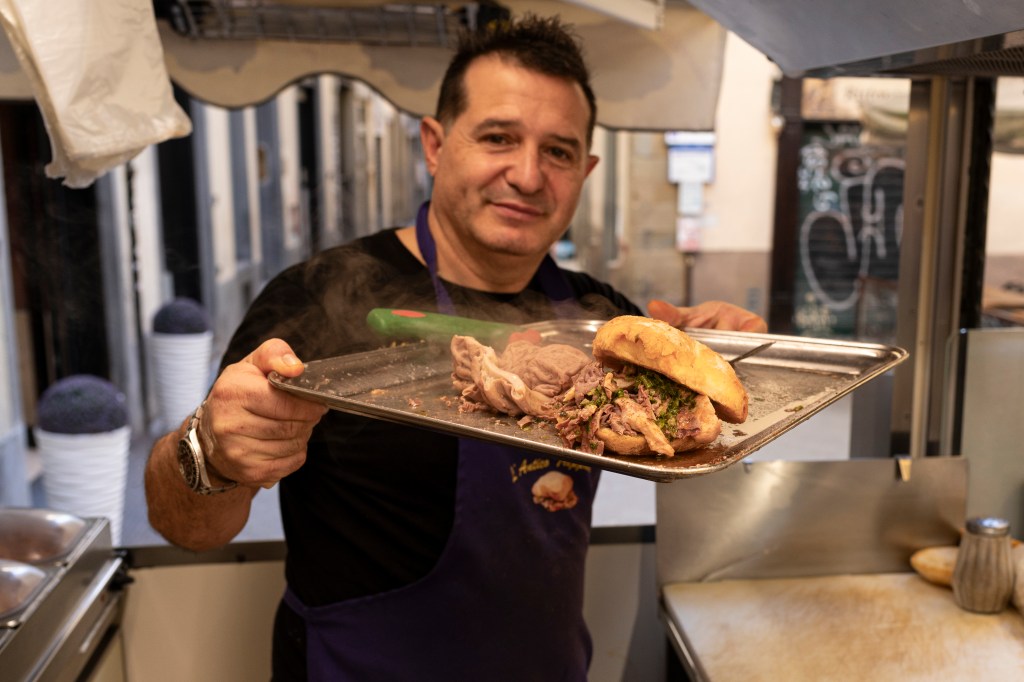
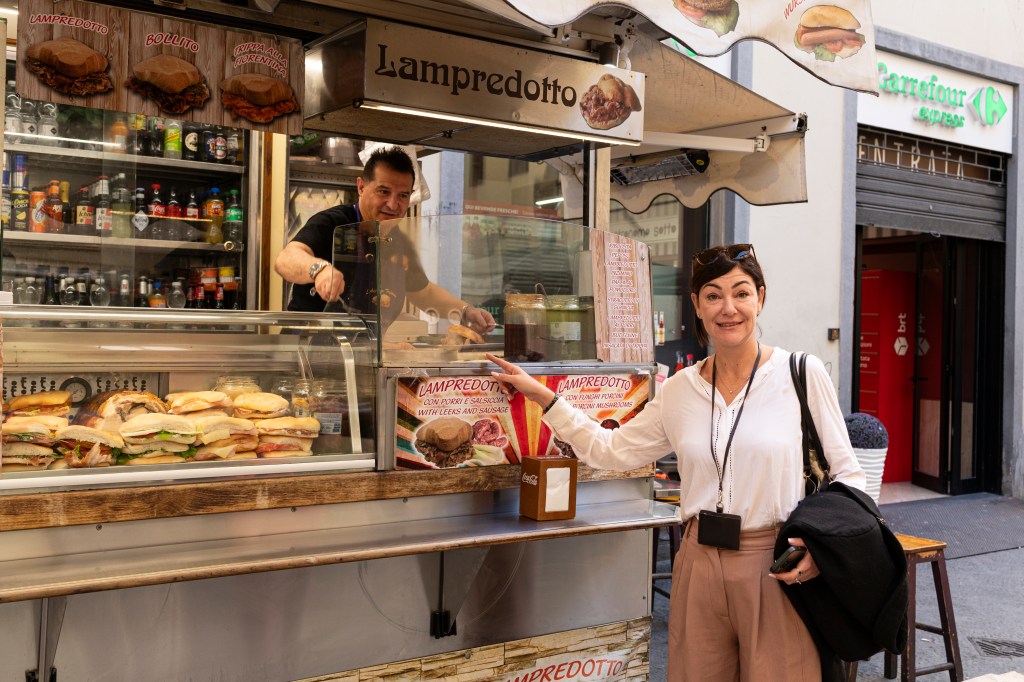
💡 Guide’s note: lampredotto has an almost cult following, and it comes with rules. One of them: the only sauces allowed are green sauce and spicy sauce. And the bread is dunked in the cooking broth: that’s the bagnato, or «wet», sandwich.
So where do I eat them?
Trattorias, lampredotto stalls, gelaterias and cafés: my full list, with a map.
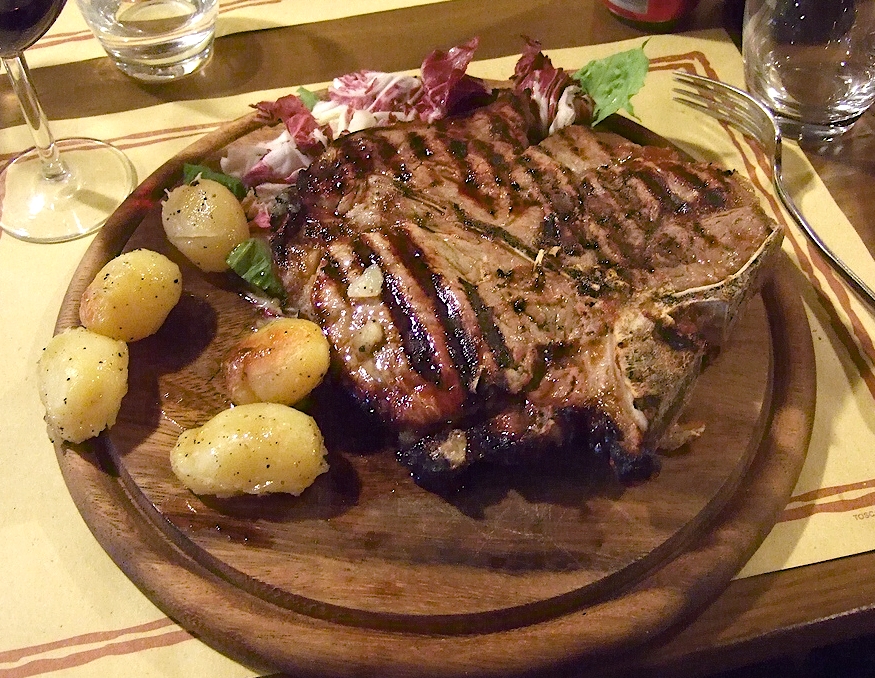
Bistecca alla fiorentina
It’s the city’s signature dish: a thick T-bone cut from the loin of a young animal, traditionally of the Chianina breed. The name comes from the English beef-steak: legend has it that at a festival in Piazza San Lorenzo in the 16th century, some English knights shouted «beef-steak!» when they saw the roasting meat. Artusi records this etymology in his cookbook and describes it as a cut on the bone, one or one and a half fingers thick.
Today it follows strict rules: the breed and feed of the animal, the ageing of the meat, the thickness of the cut and the cooking. It’s grilled over embers, ordered by weight and served rare, almost raw in the middle.
Starters and stews
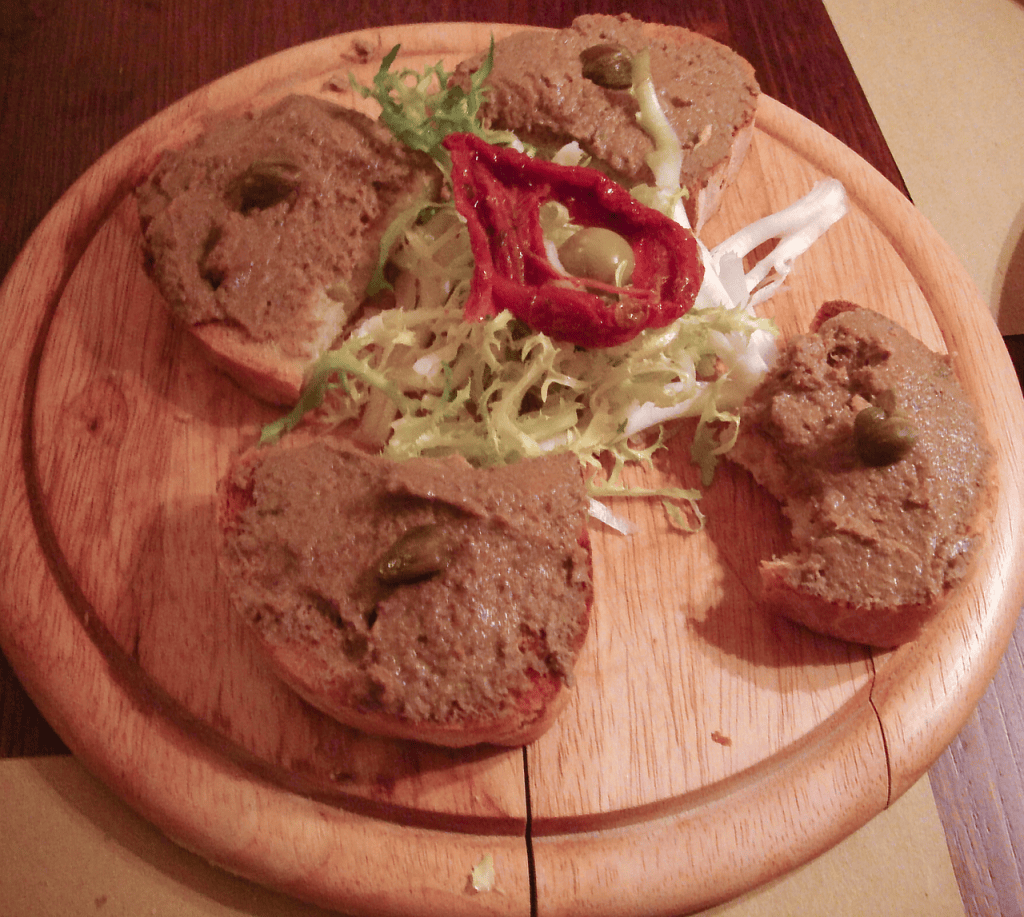
Crostini di fegatini
Back when people didn’t eat off plates or with cutlery, stews, pieces of meat and sauces were served on a slice of toasted bread: that’s how the crostino was born. The Florentine version is topped with chicken liver pâté. Peasants and lords, rich and poor all ate it, and it still opens any Tuscan meal today.
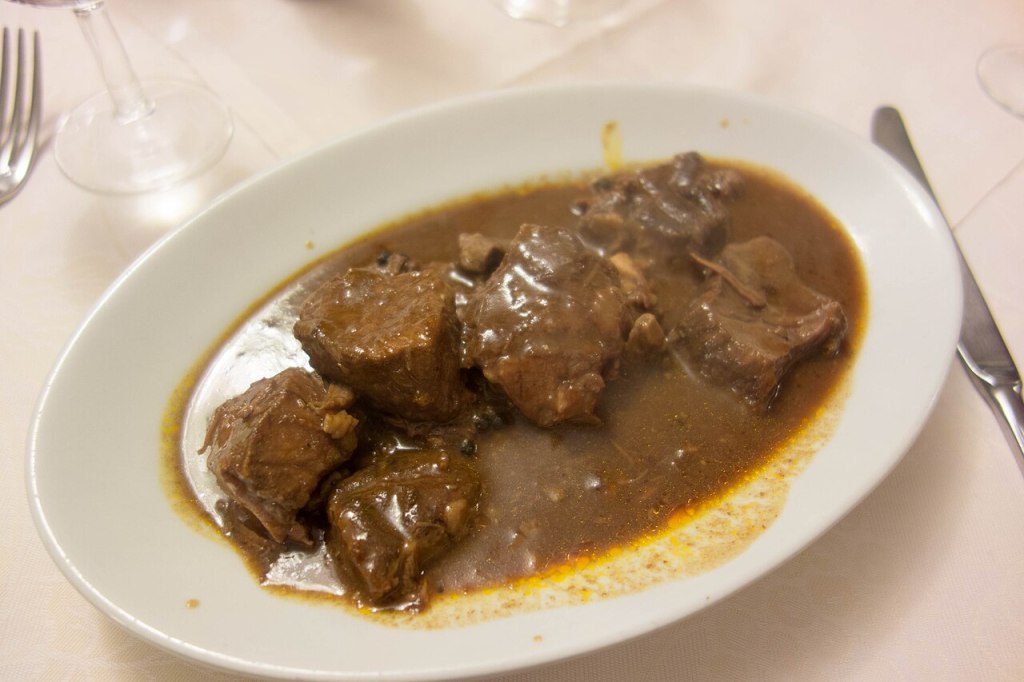
Peposo
A beef stew with lots of black pepper, from Impruneta, the terracotta town on the edge of Chianti. It was eaten by the fornacini, the kiln workers who fired roof tiles and pots, and who left the clay pot for hours at the mouth of the kiln. Tradition says Brunelleschi, who went to Impruneta to check the tiles for the Duomo’s dome, fell in love with it. Today the recipe is officially registered by the Impruneta council and the Accademia Italiana della Cucina.
Bread and vegetable dishes
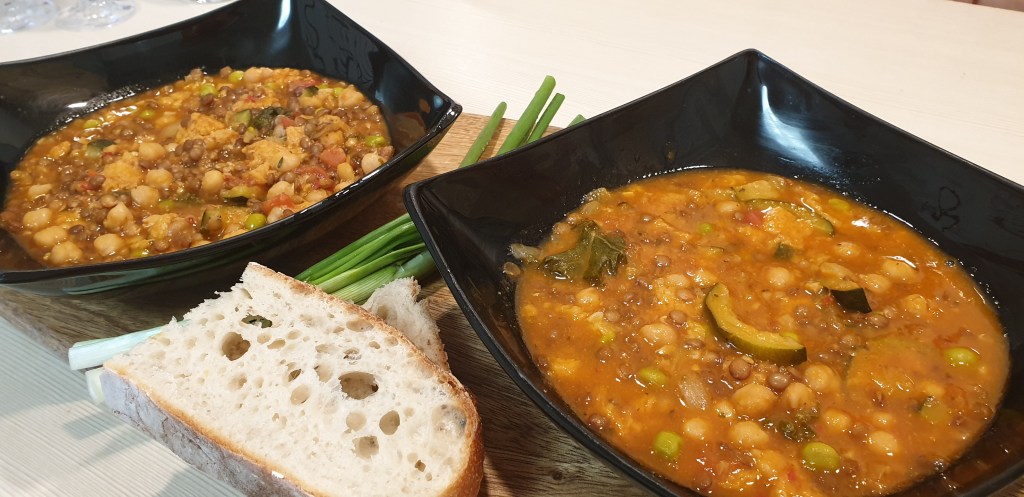
Ribollita
A soup of stale bread, cavolo nero and beans with winter vegetables. It was made in big batches on Fridays, a meat-free day, and boiled up again over the following days: hence the name, «reboiled». Artusi lists it as zuppa toscana di magro alla contadina, the peasants’ meatless soup. Best in winter. Vegetarian.
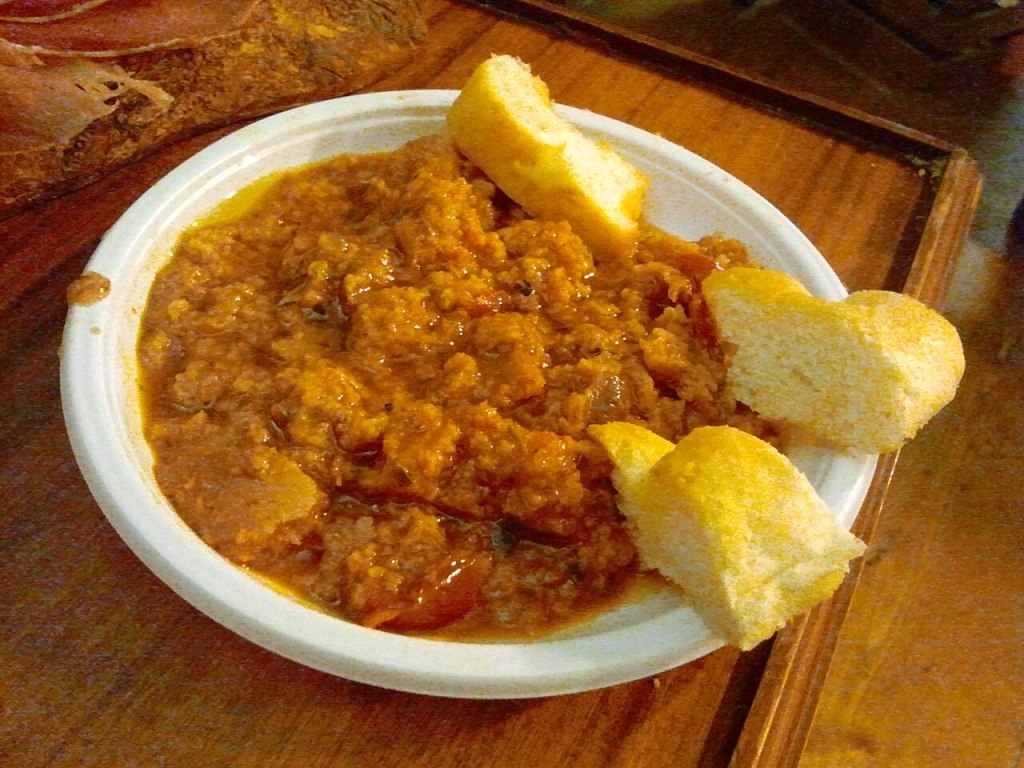
Pappa al pomodoro
Stale Tuscan bread, the unsalted kind, with tomato, garlic, basil and olive oil. Every neighbourhood has its own version. It became famous all over Italy thanks to Il giornalino di Gian Burrasca, Vamba’s early 20th-century novel, and its 1964 TV series, in which Rita Pavone sang «Viva la pappa col pomodoro». Vegetarian.
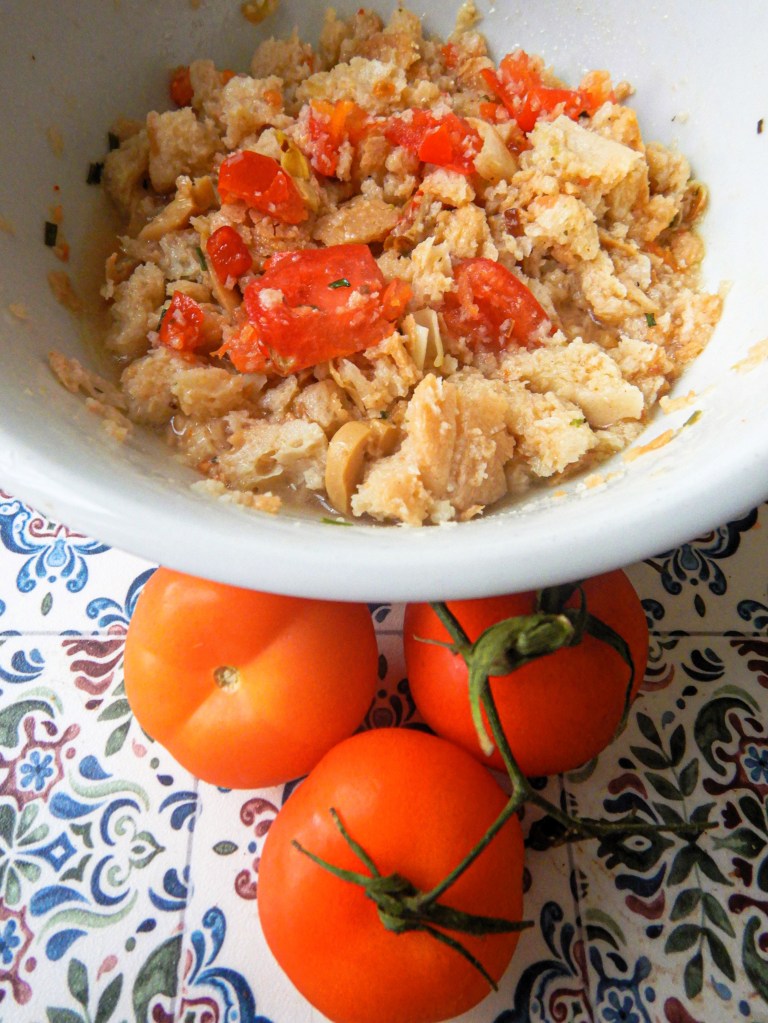
Panzanella
The summer dish: stale bread soaked, crumbled and dressed with whatever the garden had to offer. Its ancestor is said to be the «pan lavato» in Boccaccio’s Decameron, and in the 16th century the painter Bronzino wrote verses about it: onion, cucumber, purslane, basil and rocket on soaked bread. No tomato, which arrived later from the Americas. The name may come from bread (pane) and zanella, the earthenware tureen. Vegetarian.
Fresh pasta
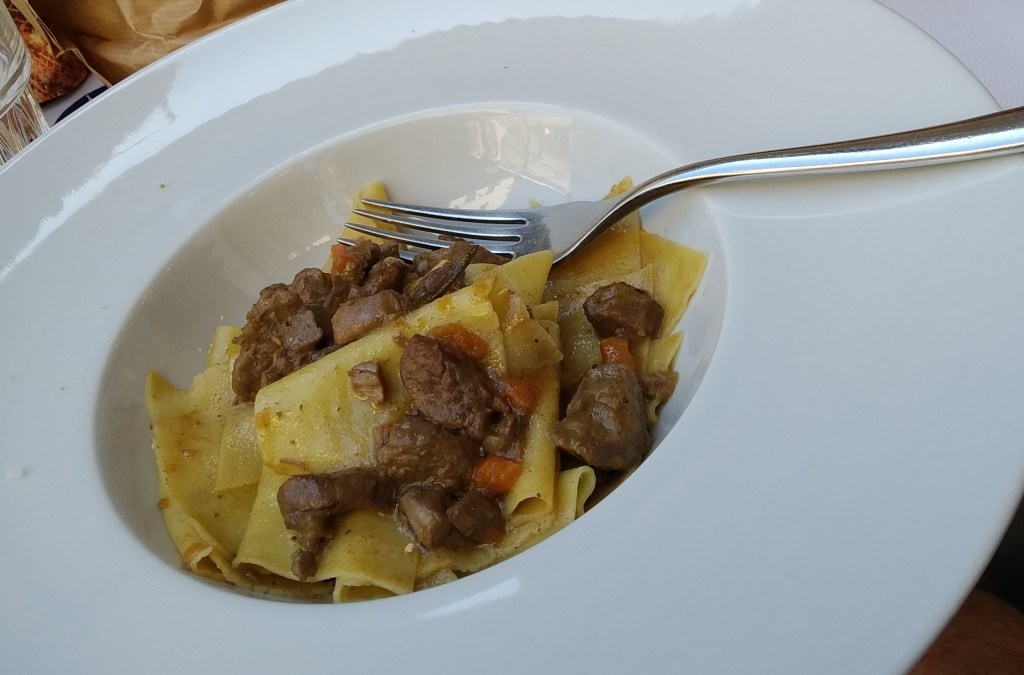
Pappardelle al cinghiale
Wide ribbons of egg pasta with wild boar ragù, the dish of hunting country Tuscany. In autumn they share the menu with tagliatelle and porcini mushrooms: Tuscan pasta follows the seasons and what the woods provide.
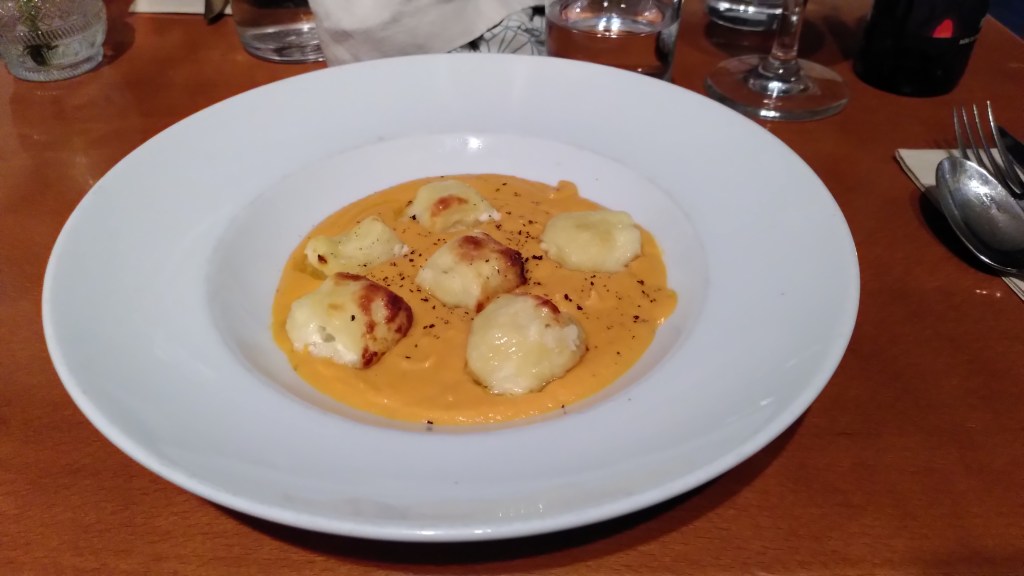
Gnudi
«Naked» in Tuscan dialect: they’re ravioli filling, ricotta and spinach with Parmesan, without the pasta wrapped around it. They’re rolled in flour, boiled briefly and served with butter and sage or tomato sauce. A peasant dish, light and delicate.
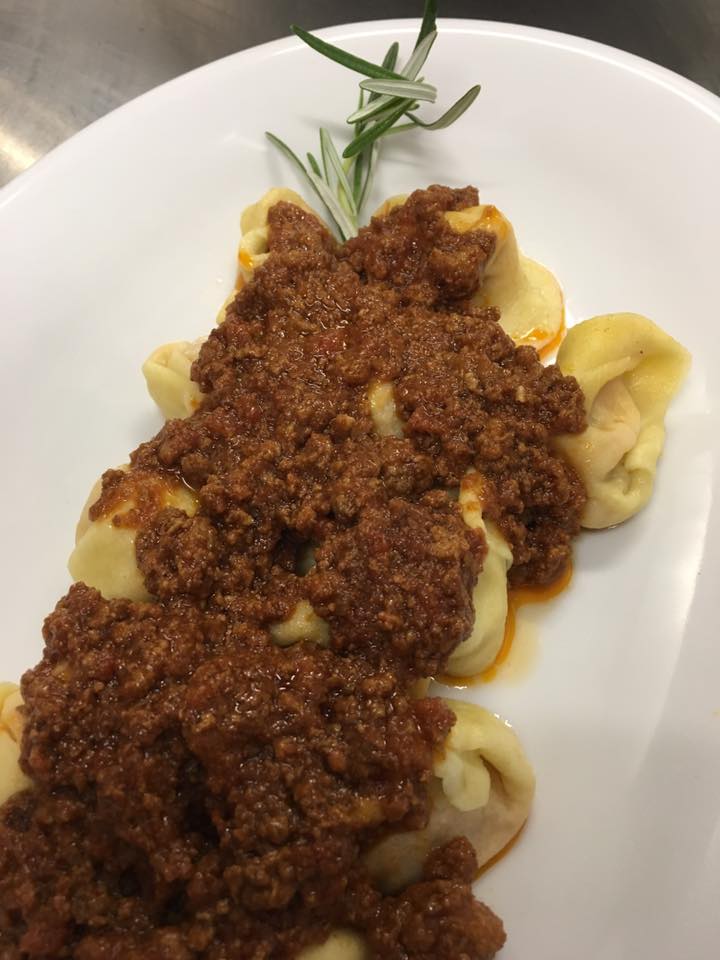
Tortelli mugellani
From the Mugello, the valley north of Florence towards Romagna: fresh pasta filled with mashed potato, garlic, parsley and cheese instead of meat. They’re served with meat, duck or wild boar ragù, or with butter and sage. In summer, the village festivals of the Mugello revolve around them.
Sweets
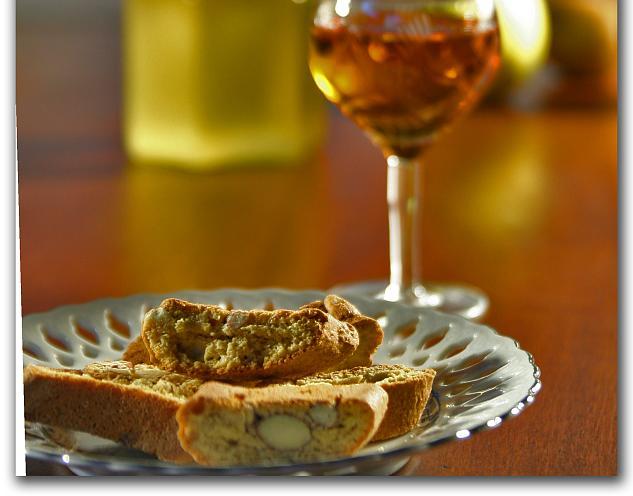
Cantucci with Vin Santo
Twice-baked almond biscuits from Prato: the first mention is in an 18th-century manuscript, but it was Antonio Mattei who perfected the recipe in 1858 in his bakery, which is still open. Artusi remembered him as an honest, hard-working man and a master of his craft. They’re dipped in Vin Santo, the sweet Tuscan wine: the ritual way to round off a meal.
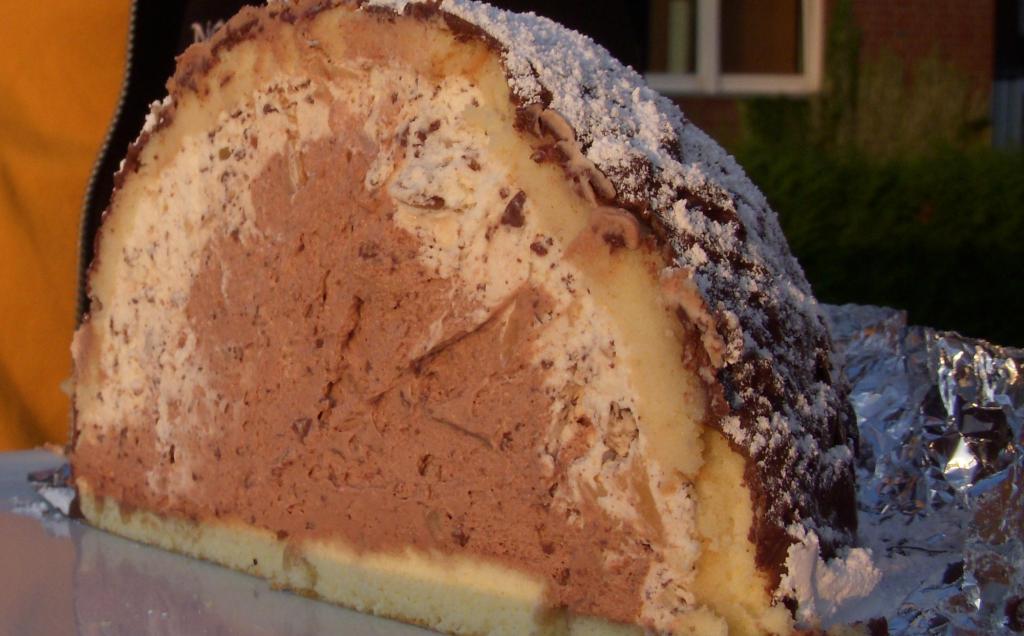
Zuccotto
A dome-shaped dessert: sponge cake soaked in alchermes, the red Florentine liqueur, and filled with cream. Tradition credits it to Bernardo Buontalenti, the Medici’s architect, who supposedly created it for Catherine de’ Medici using a soldier’s helmet as a mould: hence its old name, «elmo di Caterina», Catherine’s helmet. The Renaissance version had ricotta, candied fruit and almonds.
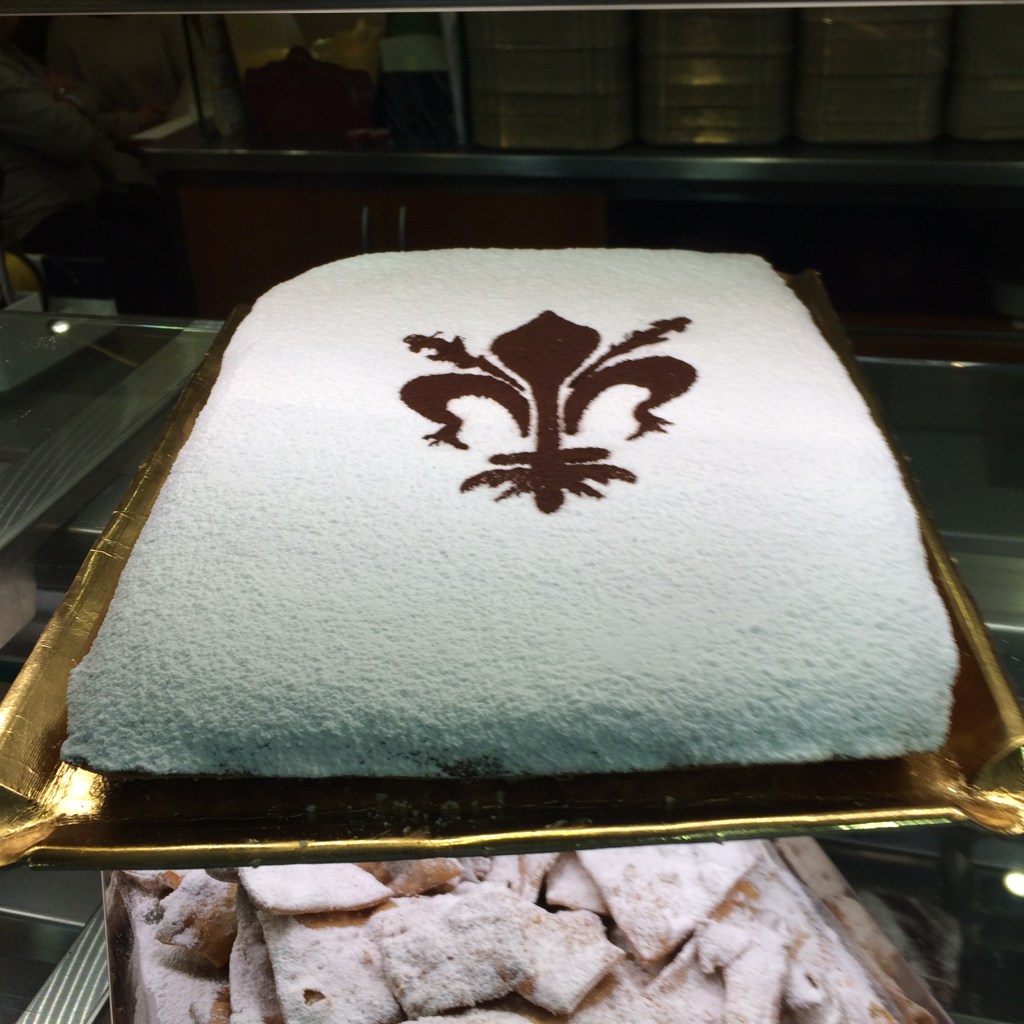
Sweet schiacciate
Schiacciata alla fiorentina is the Carnival cake: a fluffy, orange-scented sponge traditionally made with lard (which is why it was called «unta», greasy), with the Florentine lily stencilled in cocoa over icing sugar. Pastry shops also sell it filled with custard or whipped cream. Schiacciata all’uva is the grape-harvest version, in September and October: bread dough, olive oil, sugar and black wine grapes, seeds and all.
And also…
- Coccoli: little balls of fried dough, crisp outside and fluffy inside, eaten hot with prosciutto crudo and stracchino cheese.
- Artisan gelato: denser, with less air whipped in than the industrial kind. The gelaterias are on my list.
What people always ask me
Can I order my bistecca well done?
You can ask, but many trattorias will try to talk you out of it: bistecca is served rare, and that’s how Florentines eat it.
Which dishes are vegetarian?
The bread and vegetable dishes (ribollita, pappa al pomodoro and panzanella), gnudi and, to finish, the sweets.
Where can I try lampredotto?
At the tripe stalls: my favourite is L’Antico Trippaio, in Piazza de’ Cimatori. You’ll find more in where to eat in Florence.
📖 Keep reading
Main source: Pellegrino Artusi, «La scienza in cucina e l’arte di mangiar bene» (1891). Photos: Chiara Reale (lampredotto) and, from Wikimedia Commons: mike packard CC BY-SA 2.0 (bistecca), public domain (crostini), Kent Wang CC BY-SA 2.0 (peposo), Ta4e Negodue CC BY-SA 4.0 (ribollita), Catia Giaccherini CC BY-SA 3.0 (pappa al pomodoro), Albarubescens CC BY-SA 4.0 (panzanella), Luistxo CC BY-SA 3.0 (pappardelle), Noé CC BY-SA 4.0 (gnudi), Arpasqu CC BY-SA 4.0 (tortelli), Paolo Piscolla CC BY-SA 2.0 (cantucci), Koala333 CC BY-SA 3.0 (zuccotto) and WILO-MA CC BY-SA 4.0 (schiacciata).
★★★★★ 5.0 on Tripadvisor
over 100 reviews
Have you already taken a tour with me? A review takes a minute and really helps other travellers find me. Thank you!
Follow me on social media
@lugaresdeflorencia · Florence, unfiltered


Debe estar conectado para enviar un comentario.